

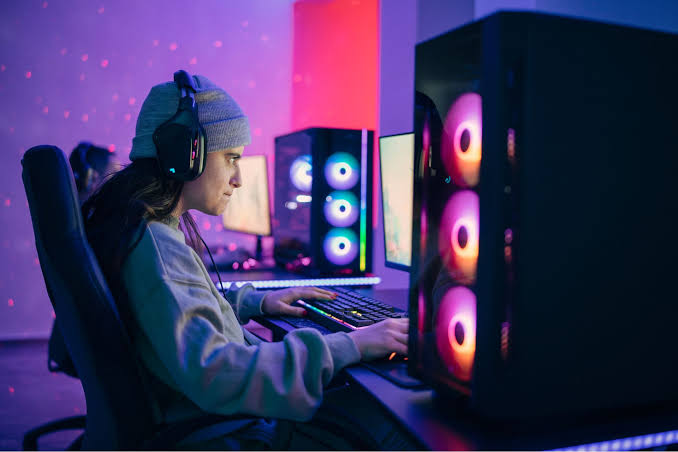
Entertainment has changed dramatically over the past few decades. Not long ago, playing a game usually meant sitting in front of a television with a controller, visiting an arcade, or gathering friends around a board. Today, entertainment can fit inside a smartphone. With a few taps, players can enter virtual worlds, compete with strangers, solve puzzles, build cities, or simply enjoy a few relaxing minutes.
The rise of the deal88 has played a major role in this transformation. What started as a simple way to connect players has become a huge part of modern digital culture. But how did gaming become such an everyday form of entertainment?
The Early Days of Online Game Entertainment
The story began with basic computer networks and early multiplayer experiences. These games were far simpler than what players enjoy today. Graphics were limited, internet connections were slow, and multiplayer communities were relatively small. Still, the idea was exciting.
For the first time, players could interact with someone who was not sitting in the same room. That small change opened a completely new door.
As internet access became more common, multiplayer gaming grew rapidly. Players began forming teams, competing in tournaments, and building friendships with people from different cities and countries. The game was no longer just about completing levels. It became a social experience.
Faster Internet Changed Everything
One of the biggest turning points came with faster and more reliable internet connections. Broadband made online gaming smoother and more accessible. Players no longer had to tolerate constant disconnections or extremely long loading times.
Imagine a teenager returning home after school, switching on a computer, and joining friends for an evening match. The people on the other side of the screen might live hundreds of miles away. Yet, inside the virtual world, they were standing beside each other.
That simple experience became normal for millions of people.
Developers also gained more freedom. They could create larger worlds, support more players, and introduce regular updates. Games could continue growing after release instead of remaining fixed products.
The Smartphone Revolution
Then came another major shift: mobile gaming.
Smartphones placed powerful gaming devices in people’s pockets. Suddenly, players did not need an expensive computer or dedicated console. A phone was enough to enjoy many different experiences.
People began playing during lunch breaks, while traveling, or while waiting for an appointment. Short gaming sessions became part of everyday life.
Mobile gaming also introduced new audiences. Some people who had never considered themselves gamers started enjoying casual puzzles, strategy challenges, racing games, and multiplayer competitions. The definition of a gamer became much broader.
Social Connection Became a Core Feature
Modern gaming is increasingly about people as much as gameplay.
Voice chat, messaging, live events, online communities, and team-based competitions have transformed gaming into a social activity. A player might begin a game looking for entertainment and eventually discover a group of friends.
This social element can be surprisingly powerful. Think about someone moving to a new city. Making friends can take time. Joining an online gaming community, however, can provide an immediate shared interest.
Why does that matter? Because entertainment feels different when it is shared. A victory becomes more exciting when friends celebrate it. A difficult defeat can become a funny memory when everyone laughs about it afterward.
Streaming and Esports Expand the Experience
Gaming entertainment is no longer limited to playing. Watching has become equally important.
Streaming platforms allow players to watch skilled gamers compete, teach strategies, review new releases, or simply entertain an audience. Esports has pushed this trend even further. Professional players now compete in organized events watched by large international audiences.
This has created an interesting cycle. People watch games, become curious, start playing, improve their skills, and eventually return to watch professionals again.
For younger audiences especially, gaming personalities can become major sources of entertainment and inspiration.
Personalization Keeps Players Engaged
Another important development is personalization. Modern games can adapt to different preferences and play styles. Players may customize characters, choose different strategies, unlock new items, or shape their experiences through decisions.
Regular updates also keep digital worlds fresh. Developers can introduce new maps, challenges, characters, and seasonal events. As a result, players often have a reason to return.
This ongoing relationship between players and games is one reason digital entertainment feels so dynamic today.
What Comes Next?
The future promises even more change. Cloud gaming, virtual reality, improved mobile technology, and immersive social experiences could reshape the industry again https://deal88id.app.
The goal is not simply to create prettier graphics. It is to make digital experiences feel more natural, connected, and personal.
At the same time, players are becoming more thoughtful about how they spend their free time. Convenience matters, but so do fairness, community, privacy, and healthy gaming habits.
A New Era of Entertainment
The journey from simple multiplayer experiments to today’s connected gaming culture has been remarkable. The modern online game is more than a digital pastime. It can be a social space, a competitive arena, a creative outlet, and a way to escape into another world for a while.
Technology will continue changing the experience, but one thing is unlikely to disappear: the simple joy of playing with others.
Whether you enjoy quick mobile matches or long adventures with friends, there has never been a more exciting time to explore digital gaming. Find an experience that fits your style, invite a few friends, and see where the next game takes you.
