

Introduction
Have you ever wondered how much a single typo can cost your website? When running a digital platform, every single detail matters for your success. Website owners frequently search for tools to optimize their platforms, but sometimes a simple typo like page size checker spellmistake leads them down a confusing path. Understanding how website weight and text errors impact your overall performance is absolutely essential in today’s competitive online landscape.
Many beginners do not realize that heavy pages slow down loading times significantly. When users encounter a slow site, they usually leave within seconds to find a faster alternative. This guide will walk you through the core concepts of monitoring your website size while ensuring your text remains completely error-free. By managing these two critical components, you can boost your search engine rankings and provide a seamless experience for your visitors.
Let us dive deep into why keeping your platform lightweight and grammatically accurate is the ultimate recipe for digital growth. You do not need to be a coding genius to master these technical optimization strategies. With the right approach and a clear understanding of the tools available, you can easily outpace your competitors and secure better visibility on search engines.
What is Page Size Checker Spellmistake?
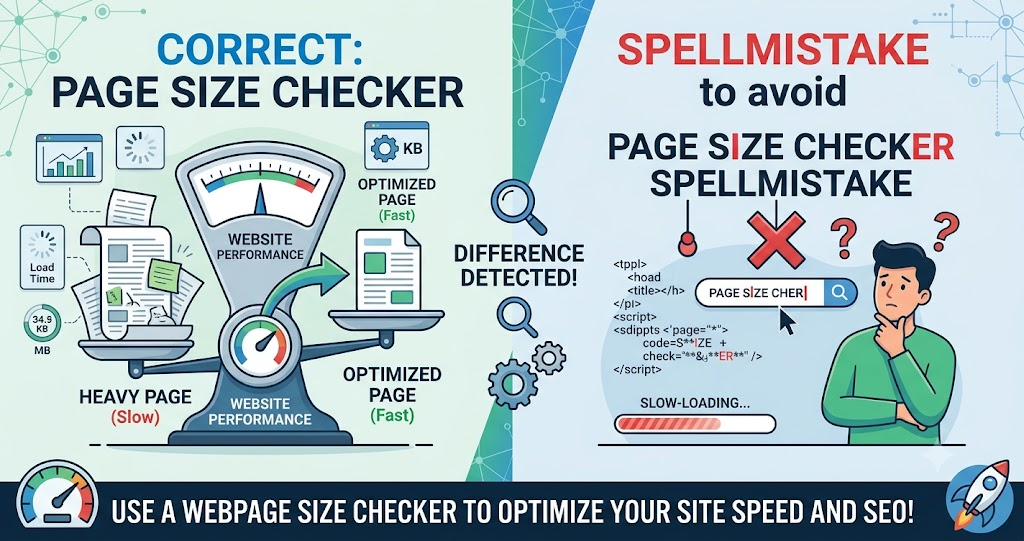
The phrase page size checker spellmistake refers to two distinct but highly interconnected aspects of website optimization. First, it involves measuring the total file size of your web pages to ensure fast loading speeds. Second, it highlights the common grammatical errors or typos that users make when searching for optimization tools online.
In technical terms, a size checker measures the total weight of your HTML, CSS, JavaScript, and media files. When you accidentally include a page size checker spellmistake in your content or search queries, it can alter your search results or signal poor quality to search engine crawlers. Merging weight optimization with linguistic accuracy creates a powerful foundation for any successful digital platform.
Why is Page Size Checker Spellmistake Important?
Optimizing your website weight while eliminating text errors is crucial for keeping your audience engaged. Search engines like Google prioritize platforms that load quickly and present high-quality, readable content. If your platform is bloated with massive image files or riddled with embarrassing typos, your bounce rate will skyrocket.
Furthermore, mobile users make up more than half of global web traffic. Mobile devices often rely on slower data connections, making lightweight pages absolutely vital. Eliminating a page size checker spellmistake ensures that your brand maintains a professional image while delivering lightning-fast performance across all user devices.
Detailed Step-by-Step Guide to Website Optimization
Step 1: Analyze Your Current Page Size
Before making any major changes, you must establish a baseline. Use reliable online performance tools to measure the exact weight of your primary landing pages. Aim to keep your total page weight under 2 Megabytes for optimal performance.
Step 2: Compress Heavy Media Files
Images and videos are usually the primary culprits behind massive page sizes. Utilize compression software to reduce image file dimensions without sacrificing visual clarity. Converting images to modern formats like WebP can instantly shrink your file sizes by half.
Step 3: Clean Up Your Content and Code
Review your written text thoroughly to eliminate any accidental page size checker spellmistake variations. Simultaneously, ask your developer to minify the website code. Minification removes unnecessary spaces, characters, and comments from your backend files, making them much lighter.
Benefits of Regular Page Size and Content Audits
- Faster Loading Speeds: Keeping your files small ensures that your pages load in the blink of an eye.
- Enhanced User Experience: Visitors enjoy navigating a smooth, fast, and error-free environment.
- Improved SEO Rankings: Search engines reward lightweight, polished websites with higher visibility.
- Lower Bounce Rates: Users stay longer on your site when they do not have to wait for content to load.
- Higher Conversion Rates: Fast and professional websites naturally build trust and generate more sales.
Disadvantages and Risks of Neglecting Your Site
- Loss of Organic Traffic: Search engines will drop your rankings if your site is too slow or contains excessive errors.
- Wasted Server Bandwidth: Massive files consume excessive hosting resources, driving up your monthly bills.
- Damaged Brand Reputation: Visitors lose confidence in businesses that display noticeable typos and slow performance.
Common Mistakes to Avoid
One major error is ignoring mobile optimization while focusing exclusively on desktop performance. A page might load quickly on a high-speed office computer but crawl slowly on a mobile network. Another mistake is relying entirely on automated tools without manually proofreading your written content. Automated checkers can sometimes miss contextual errors or strange phrasing that a human reader would notice instantly. Finally, avoid over-compressing your images to the point where they look blurry and unprofessional to your audience.
FAQs
What is an ideal web page size for good SEO?
An ideal web page size should ideally remain below 2 Megabytes. Keeping your files as small as possible directly contributes to faster loading times, which significantly boosts your search engine rankings and user satisfaction.
How does a typo affect my search engine optimization?
A single typo might not ruin your site, but frequent mistakes signal poor quality to search engine crawlers. It reduces your content’s authority and can confuse users who expect professional writing.
Can large images cause a page size checker spellmistake issue?
Large images are the main reason web pages become too heavy. While they do not directly cause spelling mistakes, ignoring image sizes is a major conceptual mistake in overall website optimization.
How often should I check my website size?
It is best practice to test your website size at least once a month. You should also run a check immediately after uploading new design elements, large images, or extensive blocks of code.
Do spelling errors impact user trust?
Yes, spelling errors drastically reduce user trust. Visitors are highly likely to abandon a website or shopping cart if they notice careless mistakes in the product descriptions or main headlines.
What are the best formats for website images?
Modern formats like WebP and AVIF are excellent for web use. They provide superior compression algorithms that keep file sizes incredibly small while maintaining high visual quality.
Expert Tips and Bonus Points
Always leverage browser caching to store static files on your visitors’ devices. This ensures that returning users experience instantaneous loading times when they revisit your platform. Additionally, implement a Content Delivery Network to distribute your website’s weight across multiple global servers. Finally, create a strict content editorial checklist to ensure that no page size checker spellmistake slip into your published articles.
Conclusion
Managing your website’s technical weight and linguistic accuracy is a continuous process that yields massive rewards. A lightweight platform ensures that your pages load efficiently, keeping your audience happy and engaged. Simultaneously, maintaining error-free content builds undeniable authority and fosters long-term trust with your target audience. By keeping an eye out for a page size checker spellmistake and auditing your platform regularly, you set your business up for sustainable digital growth.
Fixing these underlying technical issues does not require complex coding skills. It simply demands consistency, attention to detail, and the right optimization strategies. Start auditing your platform today by compressing heavy media files, cleaning up messy code, and proofreading your existing articles. Your visitors will appreciate the smooth browsing experience, and search engines will reward your hard work with much higher search visibility.
