

Dealing with dry, dehydrated skin and lifeless hair often leads to confusion when navigating complex ingredient lists. The beauty industry frequently highlights humectants as the ultimate solution for retaining essential moisture in both dermal and follicular layers. Understanding how these powerful hydrating agents interact with common cleansers is crucial for achieving optimal dermatological health.
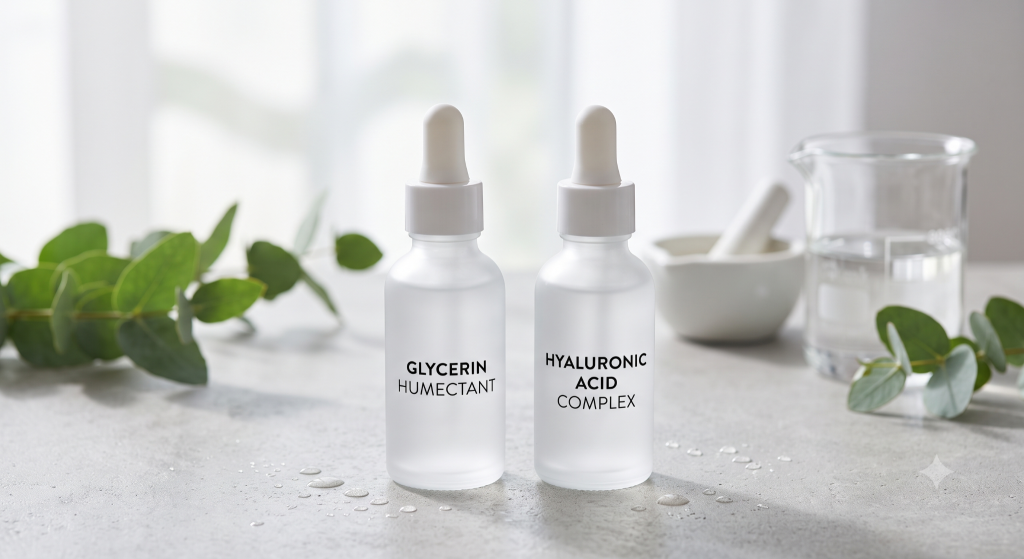
Glycerin Vs Hyaluronic Acid By Rodan + Fields
The Technical Aspects of Sulfates
Sulfates are synthetic surfactants widely used in personal care products to create a lathering effect and remove dirt, debris, and natural oils. While highly effective at basic cleansing, these chemical compounds can strip essential lipids from the epidermal layer and the hair shaft. The removal of these protective barriers often necessitates the reintroduction of potent hydrators to restore optimal cellular balance.
Indicators of Moisture Depletion
Recognizing when to incorporate intense humectants into a daily regimen involves monitoring specific physical signs. The following checklist helps identify when an established routine requires a surge of hydration:
- Noticeable tightness, flaking, or ashiness after routine washing.
- Increased frizz, static, or unmanageability in environmental humidity.
- Dullness and a severe lack of elasticity in tissue or strands.
- Accelerated, almost instantaneous absorption of topical creams and lotions.
Targeting Specific Hair and Skin Profiles
Dry/Damaged
Environmental stressors and chemical processing severely deplete natural moisture reserves. Humectants work to draw ambient water back into the compromised cuticle or skin barrier, restoring a smoother, healthier texture.
Color-Treated
Chemically dyed strands require gentle maintenance to prevent accelerated pigment fading. Strategic moisture retention ensures the structural integrity of the hair remains intact, keeping applied colors vibrant and protected.
Curly/Coily
Highly textured patterns naturally struggle to distribute essential sebum from the root down to the tip. Deep hydration is strictly necessary to define natural patterns and prevent severe structural breakage over time.
Sensitive Scalp
A delicate epidermis reacts poorly to harsh cleansers, often resulting in inflammation and localized pruritus. Gentle, moisture-binding ingredients help soothe the barrier, reduce topical irritation, and promote overall healing.
Recognizing the Exceptions
Not every individual requires a high-intensity humectant or a completely sulfate-free routine for optimal hygiene. Individuals experiencing excessive sebum production or heavy product buildup might actually benefit from stronger clarifying agents to prevent severe pore congestion. Moderation and personalized dermatological assessments remain the most effective approaches to personal care.
The Science and Ingredients Behind Moisture Retention
Both glycerin and hyaluronic acid function as humectants, meaning they attract and bind water molecules from the environment into the cellular matrix. Hyaluronic acid is widely celebrated for holding a massive multiple of its weight in water, providing immediate superficial plumping. Conversely, glycerin features a significantly smaller molecular weight, allowing it to penetrate deeper layers for prolonged, structural hydration.
Specific Advice for Application
Layering Products Effectively
Humectants must be applied to a damp surface to function correctly, as they require an immediate source of water to bind effectively. Failing to provide this foundational moisture can result in the ingredients drawing water out from deeper tissues instead.
Sealing the Barrier
Once hydration is drawn into the surface, an occlusive ingredient must be applied to firmly lock the moisture in place. Emollients and natural oils create a reliable physical barrier that actively prevents transepidermal water loss.
The Optimal Wash Routine
Establishing a consistent cleansing and moisturizing sequence is the best way to maximize product efficacy and maintain health.
- Preparation: Thoroughly saturate the area with lukewarm water to gently open cuticles and pores without causing thermal shock.
- Cleansing: Apply a gently formulated cleanser, massaging it in light circular motions to effectively dislodge impurities.
- Rinsing: Wash away all cleansing agents completely to prevent residual chemical buildup and subsequent irritation.
- Hydrating: While the surface remains distinctly damp, press the chosen humectant serum or lotion evenly across the area.
- Sealing: Complete the process immediately by applying a protective cream or heavy oil to lock the bound water into the cellular structure.
